Summary
So from my experimenting, what chatGPT is really good at, is autoregulation, diagnostics during warmup/ramping, prehab, and calculating fatigue from variations.
It seems to work off memory and patterns over time (I have like 200+ logs open for each day, and it remembers little stuff with enough context/data, like knowing i like to low-ball/choose conservative estimates as an example), so it’ll pull memory from past recent logs/sessions. its still suspectible to forgetting (its not good at remembering specific topsets or what your top singles progression is like etc, but it will remember maxes and what you hit for your top singles for the week, as well as variations your doing for the block surprisingly), so you have to feed it little reminders from session to session but it isn’t that annoying. I treat each session as a stand alone instead of trying to reference my entire block (I learned the hard way that you will go insane if you try to do this lol). I don’t stay with the same chat for the entire week, it seems better to open up a new chat for every new question you have since it’ll draw from memory.
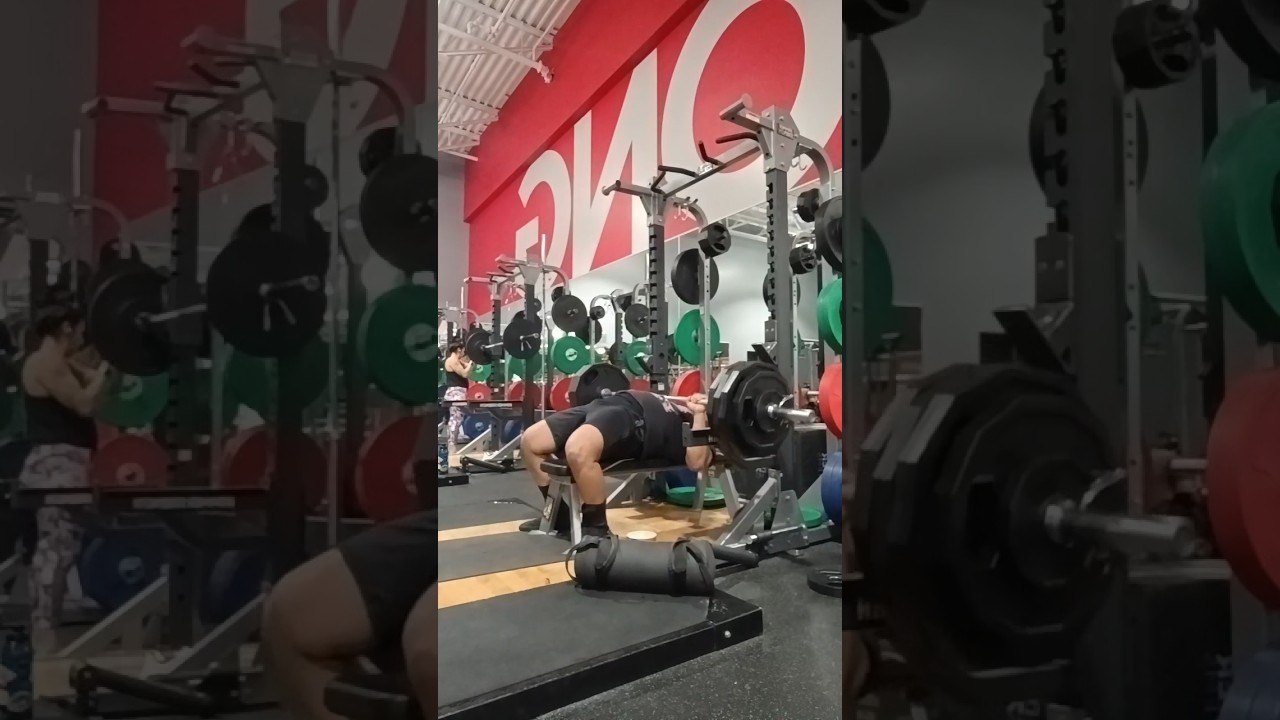
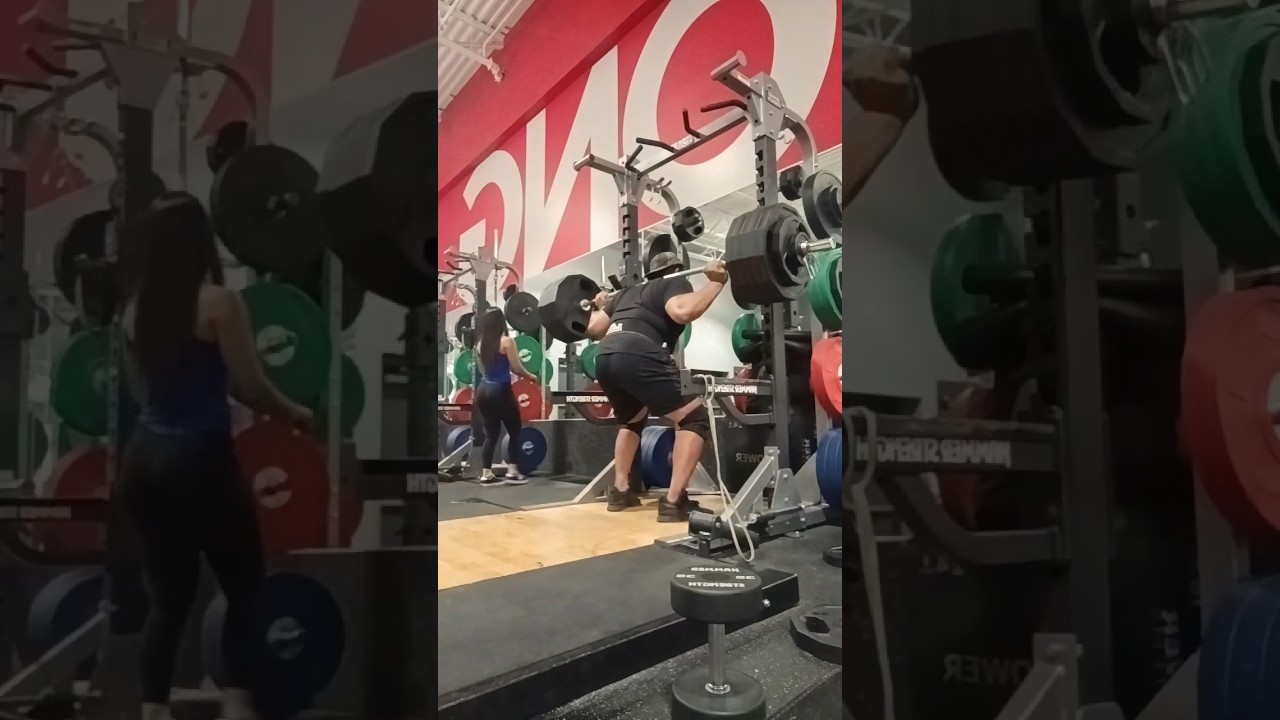
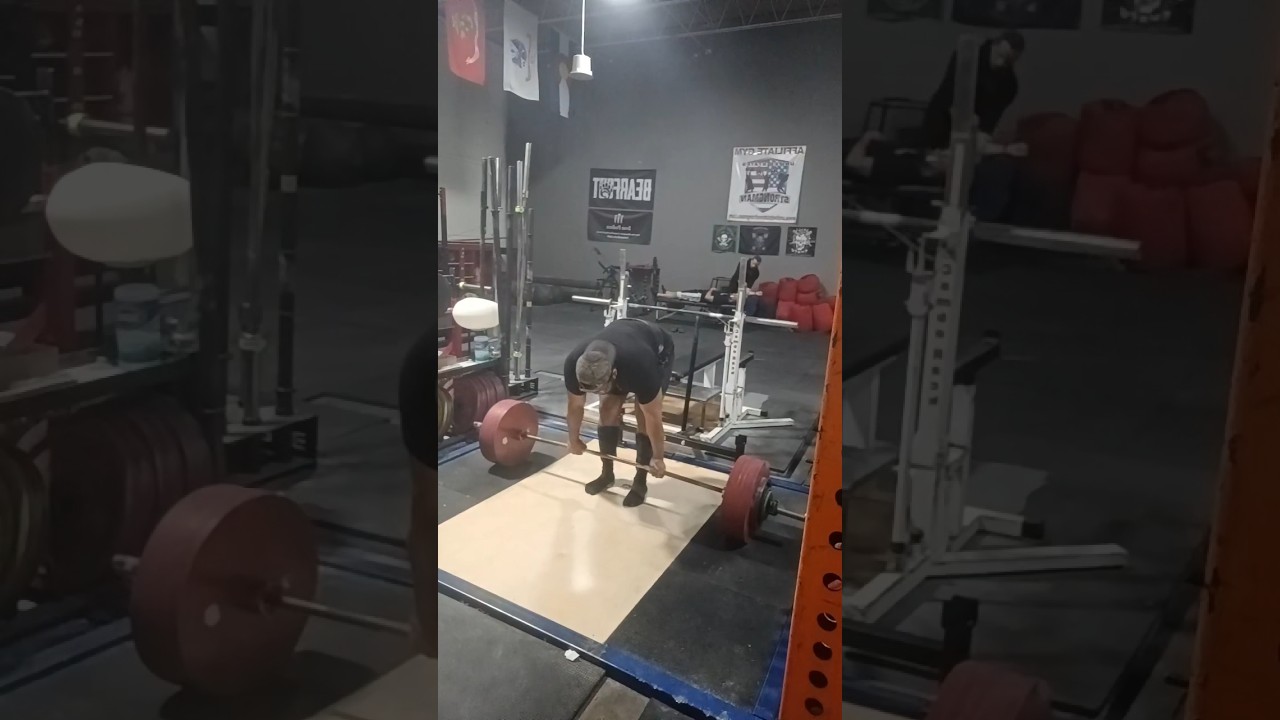
I find using it more as a check in/diagnostics tool is the best way to approach it, versus having it build you an entire program from scratch (I already had a program that I knew worked, but I was running into joint/tendon issues and constant injuries due to my progresion and how quick I was progressing, so I needed refinement). An example is like, halfway through a squat warmup on a tuesday, I might be like “hey, my 345 flew, I feel really great today warming up for squats, I think my planned top single is the correct step today.” Usually that’s my “prompt”. But maybe I’ll say “345 moved kinda slow for me and I’m slow to warmup, which is unusual. I feel kinda sketched out with the top single , should I see how 405 or 435 for a single moves first before deciding to pivot?”, and usually, it’ll give me two options which is to proceed with caution (and be very aware of technique and update it every warmup set), or if my heavier warmups start moving even worse, to pivot, and it will calculate effective stress with a lower weight for a double or triple within my “effective strength band”, I find this is the most powerful feature personally. There is no guesswork on days you need to scale back. Its very good at calculating effective stress at lower weight (usually, it makes me make it up through volume through sets with slightly less weight, like a 20lb drop, since it knows I prefer doubles and triples for most compound work, it won’t really ever recommended me to do sets above 3 reps), it tries to keep it within this band so that the block progression isn’t interrupted by you undershooting your working weights (easier to do with zero guidance and guesswork). In a perfect world, I’d take all my singles for each week without any adjustments but that’s now how powerlifting works sometimes with how human bodies are. Another prompt (within the same conversation) might be “Hey I think I’m going to shave a set off these specific low fatigue accessories, I feel a little run down, will this affect my progression?” Or “my back feels a little cooked after deads, I was planning on doing X amount of weight for 2x5 on stiff legs, but I think I need to lower it. What if I did X amount of weight for 3x5 to lower the stress on my back? Or will the extra set still be too much?”
For variations , it’s also really good at figuring out equivalent comp stress (405 on a crazy hard variation is not the same stress as 405 on a comp setup). So you can figure out how to auto regulate through its calculations and will lay out numbers for you to visualize. you get a rough estimate on the type of stress your applying to whatever position & variation your working on (and with that comparison, you can adjust volume accordingly based on how you recover so you don’t end up overshooting and being wrecked for your comp work)
So.. its like, 50% you and 50% AI. It takes intuition, common sense, and experience yourself but it helps round out the edges in your training. Its basically stuff a coach would figure out for you (and why you’d pay one so you don’t go crazy over the numbers). I have alot of time on my hands so I have the luxury of spending hours on this thing everyday lol and I enjoy self programming. It’s really great as a study aid as well, (I’ve learnt so much about my body, lifting style, cns, leverages etc) to get a really good idea of my anatomy and structure and why I respond the way I do. So many nuances, it’d end up like an essay if I kept going.
It’s not perfect obviously. I wouldn’t recommend it to someone whose new. It requires experience and honest intuition. But if you are honest with it and use common sense, it’s a very good tool like any other.
Edit I forgot to mention, usually at the end of my workout since I’ve had the chat running the entire time, ill copy paste the entire workout so we can basically analyze it a second time when it has specific data to work with and it can cross reference from earlier in the chat


 Glad your back isn’t causing problems.