I appreciate academic curiosity and exploration. It’d be boring if we already had everything figured out.
1 Like
3 Likes
@T3hPwnisher’s brain is going to be immortal.
4 Likes
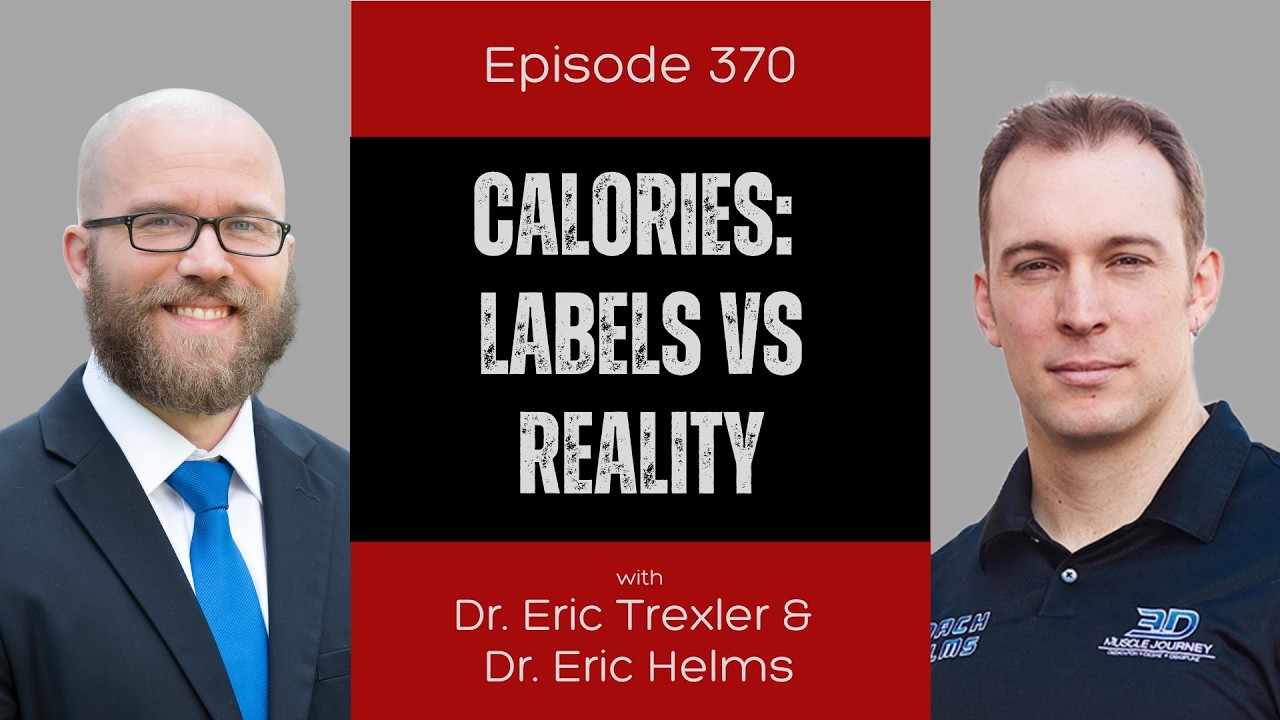
Basically, eating whole foods makes you absorb less calories than if you eat junk due to fiber and other stuff ( go to 24:40)
Good read. Thank you for sharing.
1 Like
Though dementia doesn’t tend to run in my family, the fact that the study was comprised of primarily northern Europeans bodes well for me, and also helps reinforce my own personal theory regarding genetic heritage and nutritional applicability. I talk about how an all meat diet is just a great fit for me based on how I feel and my capacity to consume large quantities, and how my wife’s Asian heritage seems to make it that she doesn’t have a great capacity for fatty meat while she can metabolize rice without issue, whereas rice quickly sends me into a coma. Similar to how easily I can handle dairy (having drank a gallon of it a day in college doing Super Squats), whereas my wife legit can’t tell when milk has spoiled because, according to her “ALL milk smells spoiled”. Her body is flat out telling her to STAY AWAY from dairy.
I liked the article in general. It started off with me eye rolling, thinking it was yet another associative study, but when they started breaking down the actual gene and nutrition interaction, it grabbed me. I DO think there is a “healthy user bias” as it relates to the processed meats claim. I’m not fully sold on the processing of meat being the ultimate culprit for poor health outcomes, but, instead, the conditions wherein processed meats are consumed with regularity. My Grandmother LIVED on processed meat. The only unprocessed meat I ever saw her eat was hamburger patties. Otherwise, it was always delimeats and hotdogs. She also lived in a trailer park (I know my roots), with low income after suffering a slip and fall that rendered her unable to work, and hadn’t read a book since high school. Her broken hip made it so that she didn’t care to walk or get regular exercise or sunlight exposure, nor standing too long in the kitchen cooking. This is a pretty perfect storm for poor health outcomes, and I find many folks with a diet high in processed meats are in a similar situation. OR that processed meats are ALSO consumed in the presence of OTHER poor nutritional decisions. No one is having a hot dog with a kale salad and beet root juice.
And I feel like this can work the reverse as well. They talked about positive health outcomes with those that swapped out cereal for unprocessed meats. Well again: who is living off of cereal in the first place? We are sold it because it’s a cheap foodstuff that we fortify with vitamins so that we can claim SOME manner of redeeming nutritional quality, but it’s ultimately the gruel of our generation. You feed it to the poor so that they don’t die. Unprocessed meat is a premium product: there’s a fair chance the people that are eating less cereal and more meat are living more premium lives as well.
2 Likes
I come with a question, but first an offering at the altar
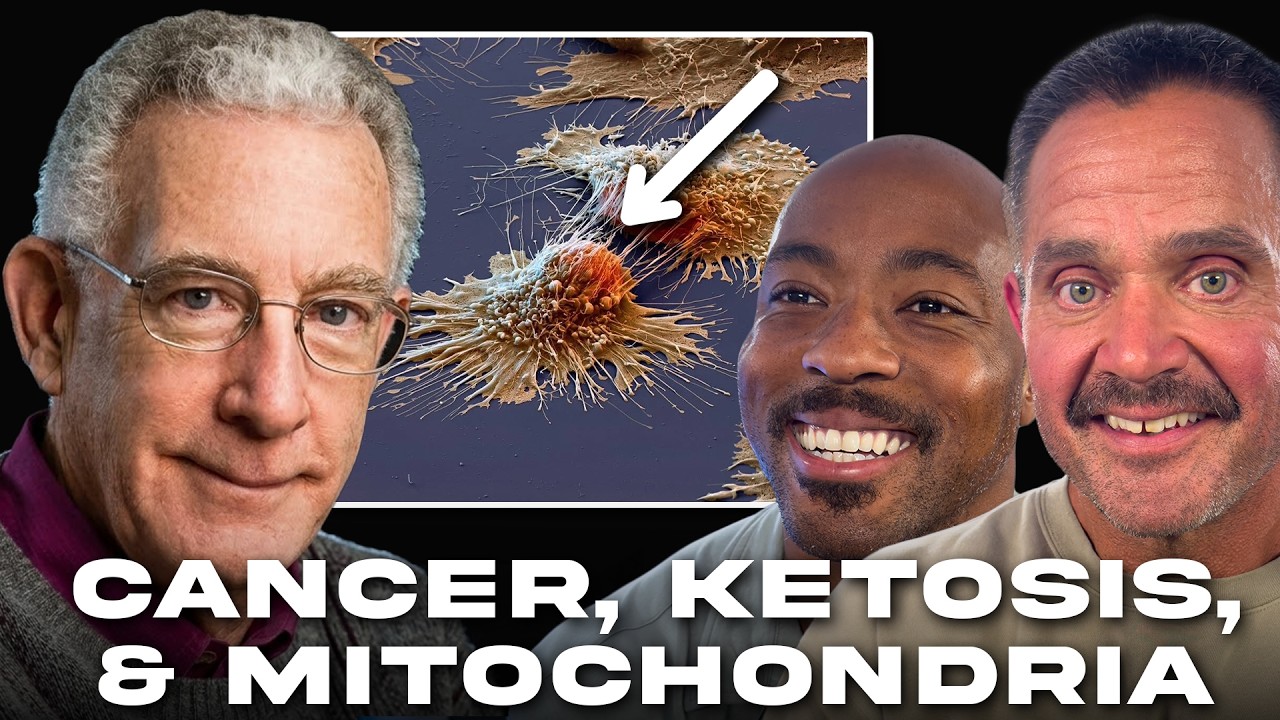
Very interesting podcast, specifically relating to the topic of nutritional ketosis as a means of fighting cancer. Hinges off the premise that cancer cells have a damaged mitochondria that only allows them to process glucose and glutamine, such that, when eating a ketogenic diet, there is limited amounts of glucose in the system and, when paired with hard training, what glutamine is present is employed by healthy cells and competes with the cancer cells. There’s far more to it than that, and it’s worth a listen. The speaker is very captivating.
Now my question:
Can someone explained the science of long sous vide cooks to me? I can’t wrap my brain around it.
If I want a steak to be medium rare, I set the sous vide to medium rare temps (129-134) and put it in there for 1-4 hours and it cooks to that temp. That makes sense.
If I want to cook a brisket or beef ribs in a sous vide, I set the temp to 155 degrees and cook it for 24-48 hours, and it comes out tender, the collagen has all turned into gelatin, and with ribs the meat falls off the bone.
But if I were to run that same meat through a smoker, I’d cook at 225 degrees for not as many hours until I reach an internal temp of 202 degrees, at which point the meat is the same degree of tender and the collagen has turned to gelatin.
I KNOW that if I set my sous vide to 202 and put the brisket/ribs in a that temp, it would just dry out and not be nearly as enjoyable…but I don’t know WHY it is that way. I assume that the meat never gets above 155 degrees, since that’s the temp the sous vide is set to, and I know that’s kinda the sweet spot where that turning into gelatin thing happens…but then I don’t understand why I want to get to an internal temp of 202 when I smoke it.
What’s going on here?
2 Likes
My guess is that water transfers heat faster, so when you have it in the sous vide, the meat is getting more of the heat faster, therefore the denaturing of the muscle protein happens faster, causing a release of moisture. Same reason boiled meat has a different texture than poached meat even if the final internal temperature is the same
3 Likes
You’re breaking my brain but in the best way. That’s probably why you don’t want to keep a steak in the sous vide for too long, or else it turns into a roast.
So we intentionally keep the temp lower on the sous vide so that we don’t cook the meat too quickly and actually give the collagen time to break down, whereas if we tried to do that with a smoker, we’d have to smoke the meat for days and have it spoil during that time.
Thanks! Now I need to figure out the temp for temp conversions of smoker vs sous vide, similar to conventional oven vs convection.
2 Likes
There are other factors to consider. Conventional vs convection is oranges to oranges. Sous vide is a closed system. Zero moisture escapes the bag.
Smoking is an evaporative process,so that’s the biggest difference.
Higher heat is required to compensate for evaporation, but that allows bark to form, instead of a sear afterwards.
You lose weight to the air, but that concentration of juices is what creates the “potency” of BBQ.
3 Likes